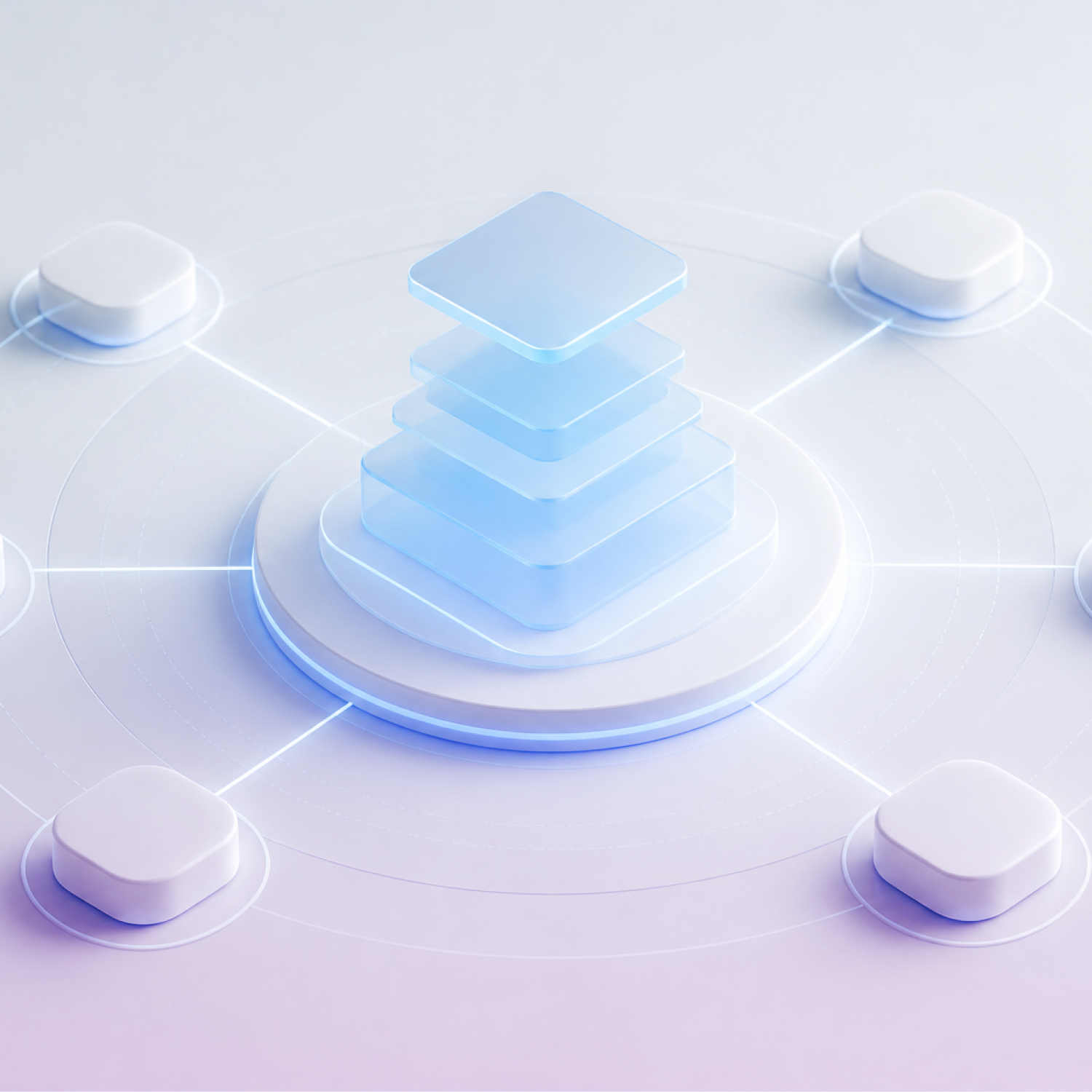
CRM, portfolio systems, planning tools, policy platforms, content libraries, campaign software and client portals may all play an important role. But when they operate separately, the adviser is left to connect the experience manually. That means switching between applications, searching for information, re-entering data and recreating documents. It also creates gaps between what the firm knows, what the adviser sees and what the client receives.
Fragmented technology creates fragmented advice
The adviser-technology estate has expanded significantly over the past decade. Each new tool has usually been introduced to solve a specific problem.
Over time, however, this can create what is often described as the “swivel-chair effect”: advisers moving repeatedly between systems to complete one client task.Advisor360° found that 74% of advisers view poor technology integration as a major pain point,
Its research also found that 61% of advisers identified poor data as their main day-to-day technology issue, with 59% citing insufficient automation and AI capabilities. Fragmentation affects adviser capacity, client experience, data quality, compliance and the firm’s ability to scale.
BCG’s 2026 wealth research presents a more ambitious AI-enabled model, estimating possible adviser-capacity gains of 25% to 30% and revenue-per-adviser growth of 15% to 20%.
of advisers with substandard technology said it had contributed to losing clients.
Source: Advisor360°, Transformation Without Disruption: Protecting Continuity While Embracing Change, 2025
What does a single adviser platform actually mean?
A single digital platform should not be confused with a single database or monolithic application. In most Wealth Management and insurance-led advisory businesses, specialist systems will continue to perform different roles.
A unified experience across five stages:
Prepare: Bring together client, household, portfolio, policy, goal and interaction data before a meeting
.Engage: Surface relevant insights, approved content, planning tools, products and campaigns during the conversation.
Act: Initiate proposals, referrals, onboarding, transactions, applications and service requests without re-entering information.
Record: Capture notes, consent, advice rationale, communications, disclosures and approvals.
Measure: Connect adviser activity with client response, opportunity progression, retention and revenue.
Content should sit inside the adviser workflow
Content is often treated as a separate marketing or product-management function. Advisers may be expected to search across websites, shared drives, email folders and document libraries to find what they need. A unified platform should surface content according to client context, adviser activity and business priorities. For example, if a client is approaching retirement, the platform might present an approved retirement briefing, an income-planning visual, relevant product information and a follow-up email template. If a portfolio has become concentrated, it might surface a client-friendly explanation of diversification, suitable questions for the adviser to ask and the appropriate disclosures.
Events can become part of the relationship journey
Events are another area that often sits outside the adviser’s main workflow. Invitations may be managed through marketing software, attendance through a separate registration platform and follow-up through email. The adviser may have limited visibility over who attended, what they viewed and what should happen next.
Campaigns should support advisers, not bypass them
Central campaigns are essential for reaching clients consistently, but they often struggle to balance scale with personal relevance. A unified platform can help campaigns operate at both levels. Marketing teams can define the audience, approved messaging, content and disclosure requirements.
Advisers can then review relevant clients, add personal context where appropriate and distribute the communication through approved channels. This model provides greater control than allowing advisers to create everything independently, while avoiding the limitations of broad, impersonal distribution. Portals should connect clients and advisers. Client portals are often viewed primarily as reporting destinations. They can provide portfolio values, statements and documents, but their role can extend much further.
A well-integrated portal can become the client-facing layer of the adviser platform. It can support secure communication, document exchange, financial planning, event registration, educational content and agreed actions. The important point is that the adviser and client should be working from the same relationship context. When a client uploads a document, completes a planning tool or engages with content, that activity should be visible to the adviser. When the adviser sends a recommendation or follow-up, the client should be able to respond through a secure, consistent channel. This helps reduce reliance on unapproved communication channels while making the digital experience more useful.
Data is the foundation of the platform
A unified interface cannot compensate for unreliable information. If client details, holdings, policy records, consent information or content metadata are inconsistent, the platform will simply present those inconsistencies more efficiently.
Compliance should be embedded, not added later
FINRA's 2026 Annual Regulatory Oversight Report highlights the need for firms to supervise digital communications, define permitted communication channels, and ensure information presented through digital applications remains accurate. SEC enforcement actions have also reinforced the financial and operational risks of failing to retain and supervise electronic communications appropriately.
The business case should focus on completed work
The success of an adviser platform should be measured by the business outcomes it delivers, not simply how often advisers log in. More meaningful indicators include improvements in adviser productivity, client service, workflow adoption, revenue per adviser, data quality and compliance, alongside reductions in duplicate processes and technology complexity. Ultimately, the platform should make advisers more efficient, improve the client experience and create measurable value for the business.
PwC’s work with Northern Trust provides one example. Its cloud CRM implementation migrated more than 17,000 client accounts and reduced repetitive manual processes by approximately 30%.PwC also supported.
Cetera, an advisory network serving around 12,000 advisers, in consolidating five legacy systems into a single data model. These are organisation-specific case studies rather than universal benchmarks, but they illustrate the value of reducing duplication and creating a more consistent operating foundation.
Future expansion should be designed in from the start
The first phase of an adviser platform should focus on the workflows that create the greatest friction, such as meeting preparation, client onboarding, content discovery, service requests and compliant follow-up. Once these foundations are established, the platform can expand to support capabilities such as campaign activation, event management, client portals, product journeys, specialist referrals, AI-assisted meeting preparation, next-best-action recommendations, automated record creation and practice management.
Alpha FMC advocates an open-ecosystem approach to wealth-management transformation, while platforms such as FNZ, Temenos, Avaloq, TCS BaNCS and Orion increasingly position integration, APIs and unified adviser workspaces as central capabilities.
Building around the adviser
The most effective adviser platforms are built around the work advisers need to complete, not a list of software features. By bringing together client data, content, campaigns and workflows into a single experience, they make it easier to move from insight to action while improving consistency, measurement and control. The goal is not to replace every system, but to create a more connected way of working.
Subscribe to our newsletter
A monthly or so newsletter that sums up all our news, tips, insights and observations from the world of sales engagement in the wealth management eco-system.